Understanding Hypertension
The Silent Threat: High Blood Pressure
Explore the complexities of hypertension, a condition affecting millions worldwide, and learn how to manage and prevent its impact on your health.
Understanding Hypertension
The Silent Threat: High Blood Pressure
Explore the complexities of hypertension, a condition affecting millions worldwide, and learn how to manage and prevent its impact on your health.
What is Hypertension?
Hypertension (high blood pressure) is when the pressure in your blood vessels is too high (140/90 mmHg or higher). It is common but can be serious if not treated.
People with high blood pressure may not feel symptoms. The only way to know is to get your blood pressure checked.
Causes of Hypertension
Hypertension can result from a variety of factors, both controllable and uncontrollable, that contribute to elevated blood pressure levels.
Lifestyle Factors
Poor diet, lack of physical activity, excessive alcohol consumption, and smoking are significant lifestyle contributors to hypertension.
Genetic Predisposition
Family history plays a crucial role, as genetic factors can increase the likelihood of developing high blood pressure.
Age and Gender
As people age, the risk of hypertension increases. Additionally, men are generally at a higher risk at a younger age compared to women.
Chronic Conditions
Conditions such as diabetes, kidney disease, and sleep apnea can contribute to the development of hypertension.
How to mesaure your Blood pressure
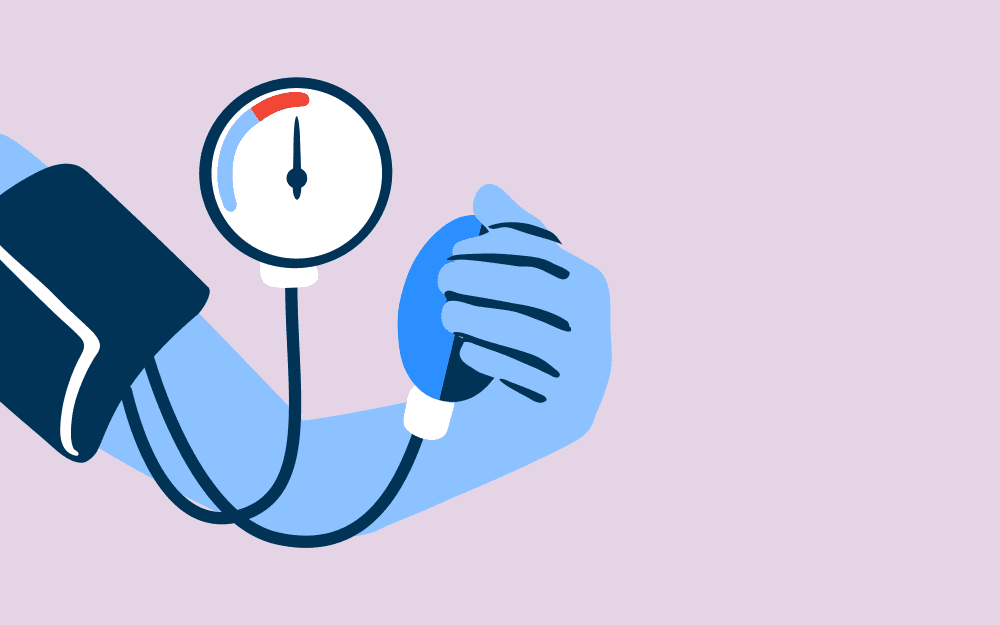
Blood pressure is written as two numbers. The first (systolic) number represents the pressure in blood vessels when the heart contracts or beats. The second (diastolic) number represents the pressure in the vessels when the heart rests between beats.
Hypertension is diagnosed if, when it is measured on two different days, the systolic blood pressure readings on both days is ≥140 mmHg and/or the diastolic blood pressure readings on both days is ≥90 mmHg.
How to mesaure your Blood pressure
Blood pressure is written as two numbers. The first (systolic) number represents the pressure in blood vessels when the heart contracts or beats. The second (diastolic) number represents the pressure in the vessels when the heart rests between beats.
Hypertension is diagnosed if, when it is measured on two different days, the systolic blood pressure readings on both days is ≥140 mmHg and/or the diastolic blood pressure readings on both days is ≥90 mmHg.
Common Symptoms of Hypertension
Frequent Headaches
Chest Pain
Dizziness
Shortness of Breath
Nausea
Vision Problems
Anxiety
Confusion
Pounding in Chest or Ears
Nosebleeds
Irregular Heartbeat
Fatigue
Frequent Headaches
Chest Pain
Dizziness
Shortness of Breath
Nausea
Vision Problems
Anxiety
Confusion
Pounding in Chest or Ears
Nosebleeds
Irregular Heartbeat
Fatigue
Global Hypertension Prevalence
Billion adults worldwide have hypertension
Percent of adults with hypertension are unaware that they have the condition.
percent with hypertension are diagnosed and treated
percent with hypertension have it under control.
Hypertension Management Options
1. Treatment Approaches for Hypertension
eating a healthy, low-salt diet
Incorporating regular physical activity, a balanced diet, and stress management techniques to control blood pressure levels.
Medication Therapy
Utilizing antihypertensive drugs such as ACE inhibitors, beta-blockers, and diuretics to manage blood pressure effectively.
Regular Monitoring
Frequent blood pressure checks to track progress and adjust treatment plans as necessary.
Patient Education
Providing resources and guidance to help patients understand their condition and adhere to treatment plans.
Alternative Therapies
Exploring complementary approaches such as yoga, meditation, and acupuncture to support traditional treatment methods.
2. Medicines for Hypertension
- ACE inhibitors including enalapril and lisinopril relax blood vessels and prevent kidney damage.
- Angiotensin-2 receptor blockers (ARBs) including losartan and telmisartan relax blood vessels and prevent kidney damage.
- Calcium channel blockers including amlodipine and felodipine relax blood vessels.
- Diuretics including hydrochlorothiazide and chlorthalidone eliminate extra water from the body, lowering blood pressure.
Prevention
Do this
- Eat more vegetables and fruits.
- Sit less.
- Be more physically active, which can include walking, running, swimming, dancing or activities that build strength, like lifting weights.
- Lose weight if you’re overweight or obese.
- Take medicines as prescribed by your health care professional.
- Keep appointments with your health care professional.
Don't do this
- eat too much salty food
- eat foods high in saturated or trans fats
- smoke or use tobacco.
- drink too much alcohol.
- miss or share medication.
Latest Advancements in Hypertension Research
Innovative Drug Therapies
Recent studies have introduced new medications that effectively lower blood pressure with fewer side effects.
Genetic Research
Breakthroughs in genetic research are helping identify individuals at higher risk for hypertension, allowing for early intervention.
Wearable Technology
Advanced wearable devices now offer continuous blood pressure monitoring, providing real-time data for better management.
Conclusion
Understanding and managing hypertension is crucial for maintaining overall health. By staying informed about preventive measures and the latest medical advancements, individuals can take proactive steps to control their blood pressure. Awareness and early intervention are key to reducing the impact of hypertension. We encourage everyone to consult healthcare professionals regularly and adopt a healthy lifestyle to combat this silent killer.
"Building healthier future together"
This website is specially made for Al-Motaqadimah International School Science and Math Festival.
By Mohamed Albadry Gr.9